United States
AI engineering firm for operators across the United States
Vantage Systems designs, builds and runs artificial intelligence (AI) systems for operators in every part of the United States, from Eastern Time to Hawaii. Each engagement moves in fixed-price phases with working software every week, and the engineers who build the system keep running it after launch.
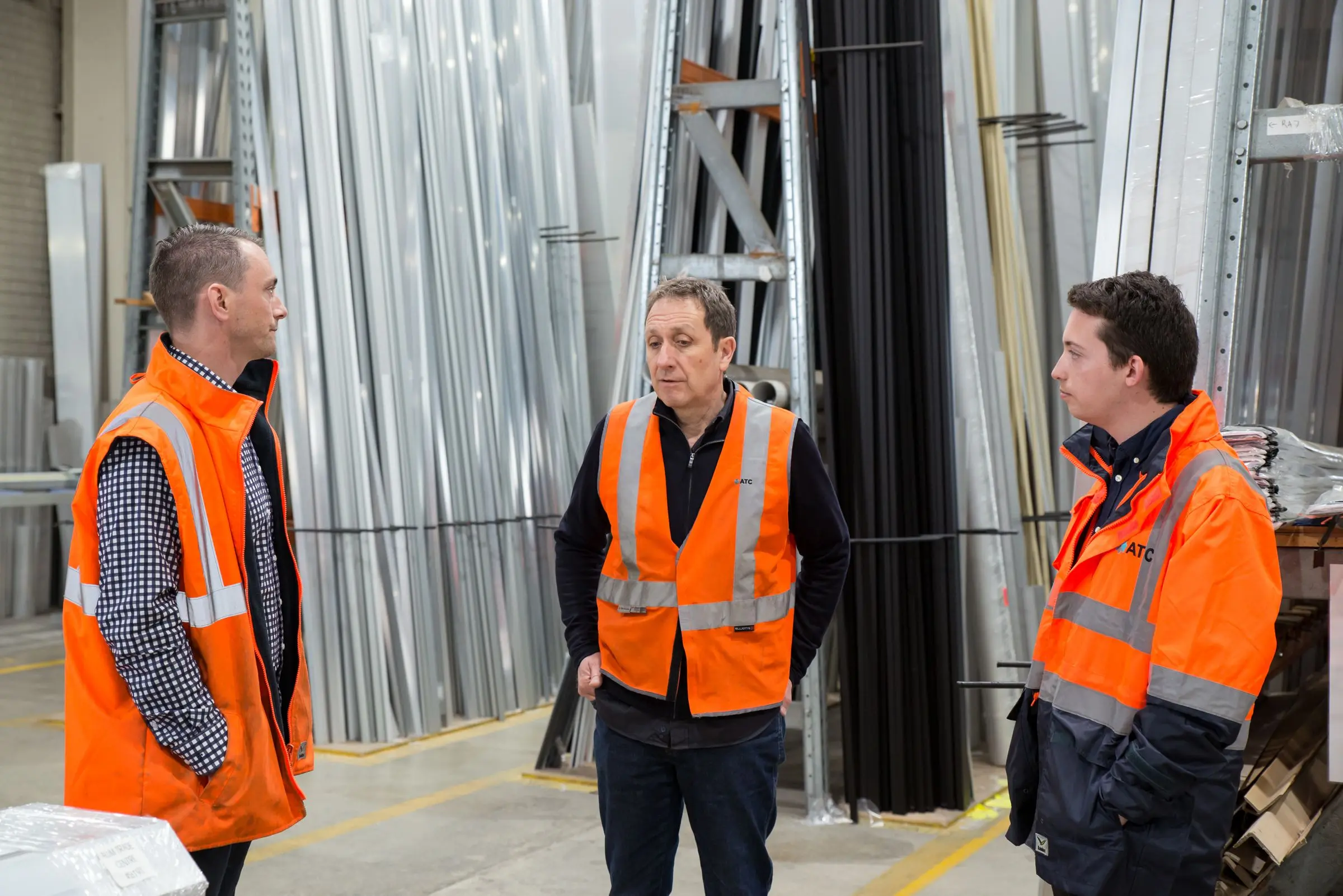
Key facts
- Working hours
- We work on Pacific Time and set meetings and demos inside each client's own business day, from Eastern Time to Hawaii.
- How we deliver
- Discovery first, then a fixed scope and fixed price for each phase, then we run and maintain the system after launch.
- Data handling
- Client data stays in the region agreed with the client, whichever states the company operates in.
Services in United States
- Voice agents in United StatesAgents that read the caller's state from the number dialed and play the right recording notice and greeting for it.
- Customer relationship management in United StatesCustomer systems that track licenses, territories and consent rules state by state for teams selling or lending across borders.
- Operational dashboards in United StatesOne view of branches, yards and plants in several time zones, rolled up by region for leadership.
- Predictive maintenance in United StatesFailure models for equipment spread across customer sites in many states, monitored from one place.
- Data infrastructure in United StatesPipelines that pull field, finance and phone data from every state into one store, kept in the region agreed with you.
How does an AI firm run projects for operators in many states?
With a written scope, a demo of working software every week and one engineer who owns the outcome, whichever state the operator sits in. Pipelines, models, screens and phone integrations make up most of that work.
The parts that depend on the floor, such as sensor installs for predictive maintenance, a process that lives only in a supervisor's head or the first morning on a new dispatch screen, are planned with your operations team and written into the phase before it starts. Each city page below covers the operators there.
- Phoenix: fab suppliers, data center builders and cooling contractors.
- Dallas and Fort Worth: freight, lenders and insurers.
- Houston: energy, petrochemicals and port logistics.
- Austin: chip suppliers, state contractors and home services.
- Denver: oil and gas, renewables and construction.
- Chicago: plants, machine builders and rail freight.
- New York: lenders, insurers and building owners.
- Miami: Latin America trade and condominium management.
- Atlanta: air, rail and truck logistics and home services.
- Seattle: aerospace suppliers and port logistics.
- Orange County: manufacturers, lenders and home services in Southern California.
How do time zones work with a team on Pacific Time?
We shift our day rather than asking yours to shift. Eastern Time runs three hours ahead, so a 10 a.m. meeting in New York is 7 a.m. for us, and Central Time clients share most of the business day across a two-hour gap.
Mountain Time is one hour ahead, except that most of Arizona stays on standard time all year, so Phoenix shares our clock from March to November.
The systems keep no office hours. A voice agent answers at 2 a.m. local time, and alerts page the on-call person in their own zone, with timestamps stored in the site's local time so shift reports read correctly.
Which state laws shape a voice agent or customer system?
Three groups matter most: consumer privacy, call recording consent and biometric privacy, and each differs by state. California has the California Consumer Privacy Act (CCPA), and Texas, Colorado and a growing list of states have their own privacy laws with different thresholds and opt-out duties.
Recording consent rules differ from state to state. California, Florida, Illinois, Maryland, Massachusetts, Montana, New Hampshire, Pennsylvania and Washington are among the states that generally require consent from everyone on the call. One phone line can take calls from many of these states, so the recording notice in our AI voice agents is set with your counsel for the states you serve.
Illinois and Texas both treat a voiceprint as a biometric identifier, so any feature that recognizes callers by voice needs its notice and consent step designed with the client's counsel before launch. We design for each requirement and document the data flows; your lawyers decide whether it meets the law.
What we build for operators in many states
Voice agents that know the state
Per-state greetings and recording notices, routing to the nearest branch, and a warm transfer when the caller needs a person.
Customer systems for multi-state teams
A custom CRM (Customer Relationship Management) system that holds licenses by state, territory assignments and each customer's consent history in one record.
Dashboards across sites and zones
Operational dashboards that roll every branch, yard or plant into one view, with each site's numbers shown in its own local day.
The data layer underneath
Data infrastructure that collects phone, field and finance data, cleans it and keeps it in the region agreed with you.
Cities and regions we cover from United States
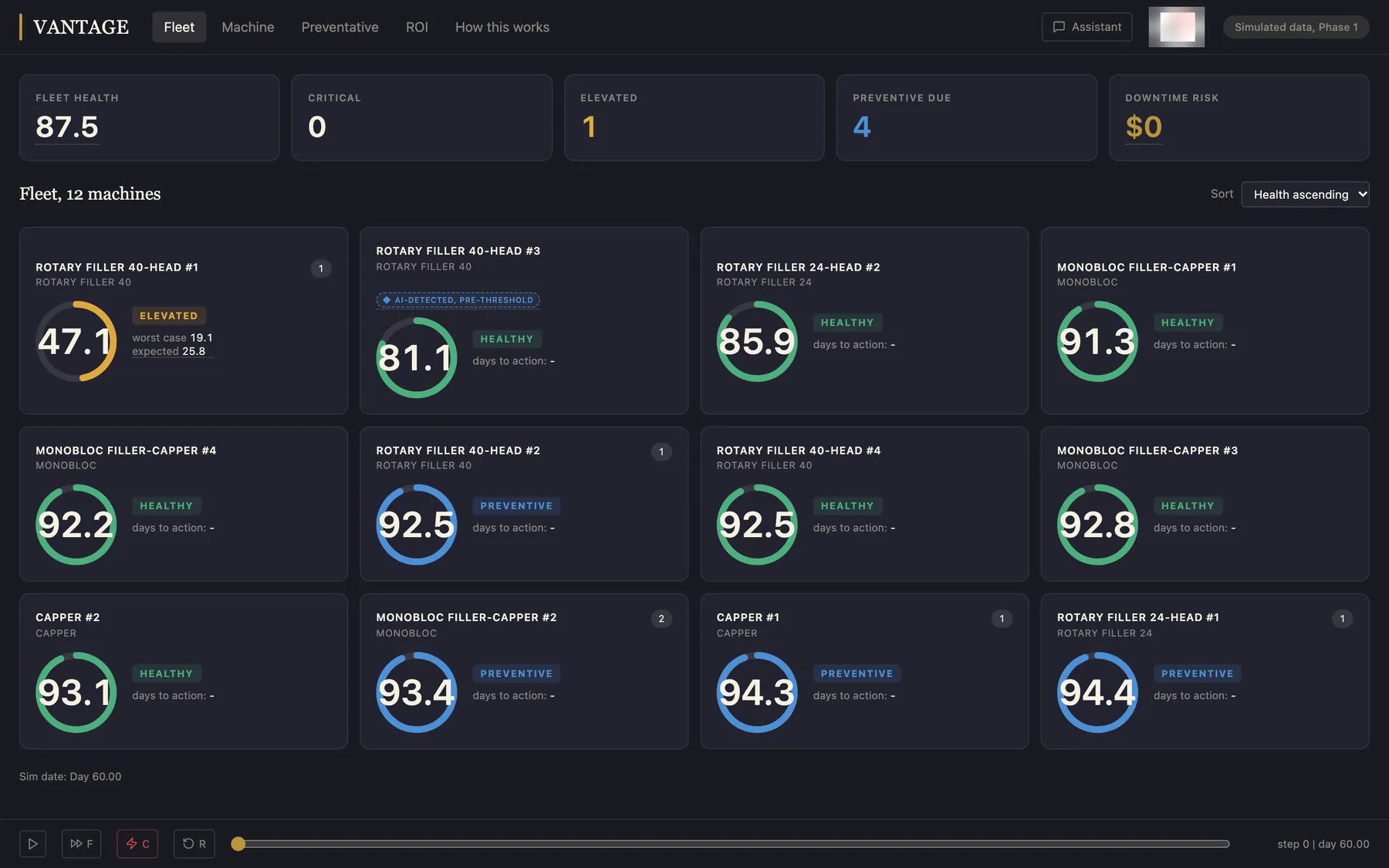
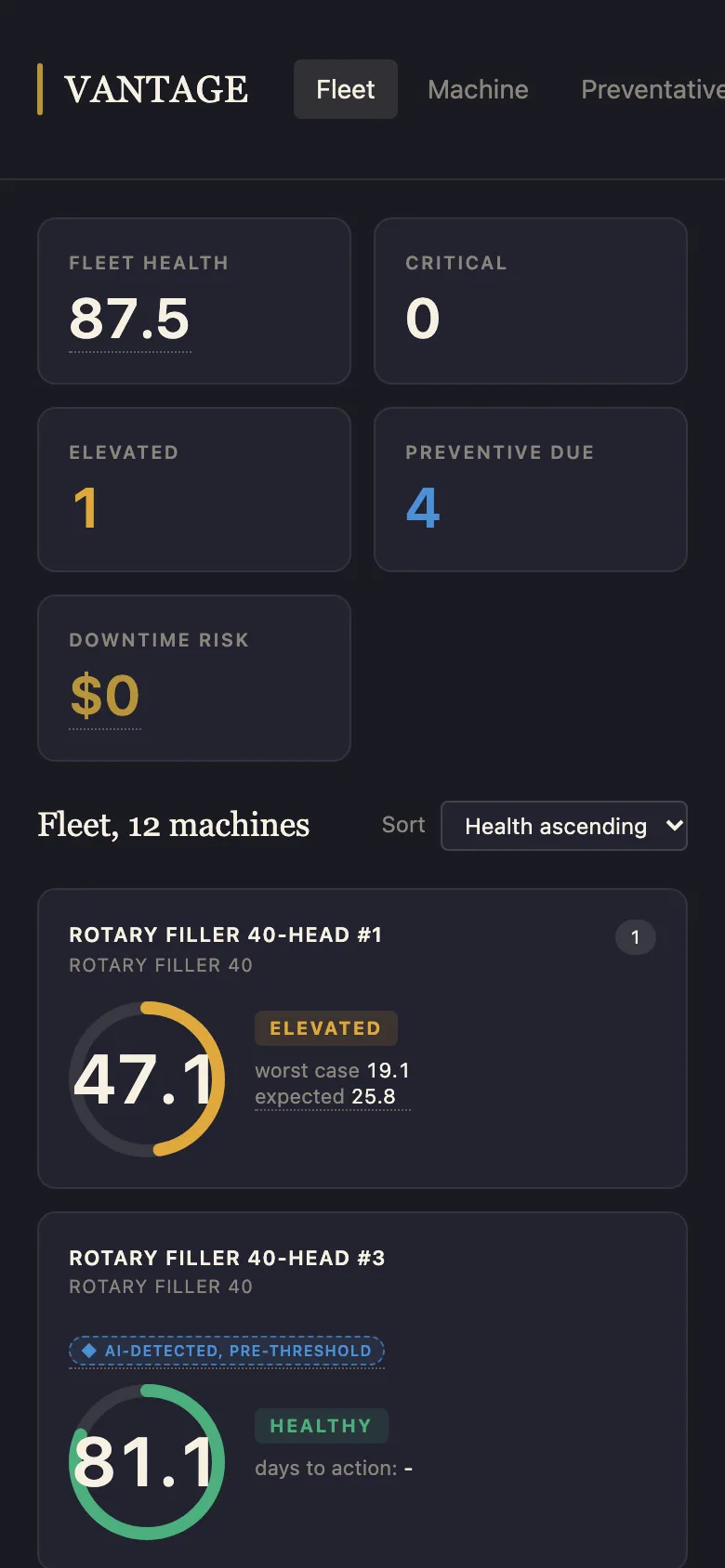
LivePackaging machinery manufacturer, United States
Example: one platform watching machines in many customer plants
A rotary filler builder has roughly 250 of its machines running in customer plants, where one repair after a failure can cost six figures. We added heat, pressure and temperature sensors plus a camera, and built part-level wear models tested against faults introduced on purpose. Twelve machines report into one platform today, wherever they sit.
Read the full storyHow an engagement works
Discovery across your sites
Interviews with the people who run the work in each location, a review of the systems involved and a written map of what to build first.
A fixed scope and price for phase one
You sign off on what gets built, what it costs and what done means before any code is written.
Weekly demos scheduled in your time zone
Working software every week, shown at an hour that suits your team, whether that is a New York morning or a Chicago afternoon.
Launch, then run it for you
Go-live is scheduled in your local time, then we monitor, fix and improve the system after launch.
Frequently asked questions
Can one system serve branches in states with different rules?
Yes. Licenses, territories, consent records and recording notices can be stored per state in one system, so a branch in Florida and a branch in Texas each follow their own settings. Your counsel sets the rule for each state, and the system applies it.
Can you work with a company in Hawaii or Alaska?
Yes. Both states sit behind Pacific Time, so we hold meetings in your morning, which falls in our late morning or around midday. Everything else, from weekly demos to on-call support, works the same way it does on the mainland.
Who decides whether our system meets state privacy law?
Your counsel decides. We design for the requirements they identify, document every data flow and build the notices, consent steps and deletion paths into the system. We never certify compliance ourselves.
Do you work with private equity firms that own companies in several states?
Yes. A sponsor often wants the same reporting and the same phone and customer systems across companies in different states, and we build once and roll out per company. Our private equity page explains how that works.
How do we start?
Write to mohamed@getvantage.global or start a conversation. The founder reads every inquiry and replies within one business day, whatever state you are in.
Related
- LocationOrange CountyVantage Systems builds AI (artificial intelligence) voice agents, custom CRMs (customer relationship management), dashboards and document agents for Orange County operators, from Irvine and Newport Beach to Anaheim.
- ProgramImplementationVantage Systems runs AI implementation from assessment to production: ranking use cases by payback, fixing the data, building the systems and running them.
- ProgramPrivate equityVantage Systems builds AI for private equity portfolio companies once, then rolls it across the portfolio with shared metric definitions and a 100-day plan fit.
- WorkThings we've shippedSystems we designed, built and run for operators in four countries.
- LocationWorldwideRemote AI implementation with live systems in the United States, Saudi Arabia and Egypt: weekly demos, written updates and data kept in the agreed region.
- ServiceVoice agentsVantage Systems builds AI voice agents that answer, book, qualify and transfer calls inside your own phone system and software. See how they work and connect.
Built for operators with real scale. Most engagements are scoped in the tens of thousands of dollars and up.
Start a conversation.
Tell me what's slowing your operation down. I read every message myself and reply within one business day.