Custom agents for freight and logistics
AI freight document processing for bills of lading, delivery proof and carrier invoices
Vantage Systems builds artificial intelligence (AI) agents for freight document processing that read bills of lading, proof of delivery, rate confirmations and carrier invoices and match them to each shipment. The agent audits every invoice against the agreed rate, flags accessorial charges that lack support and syncs results to your transportation management system (TMS).
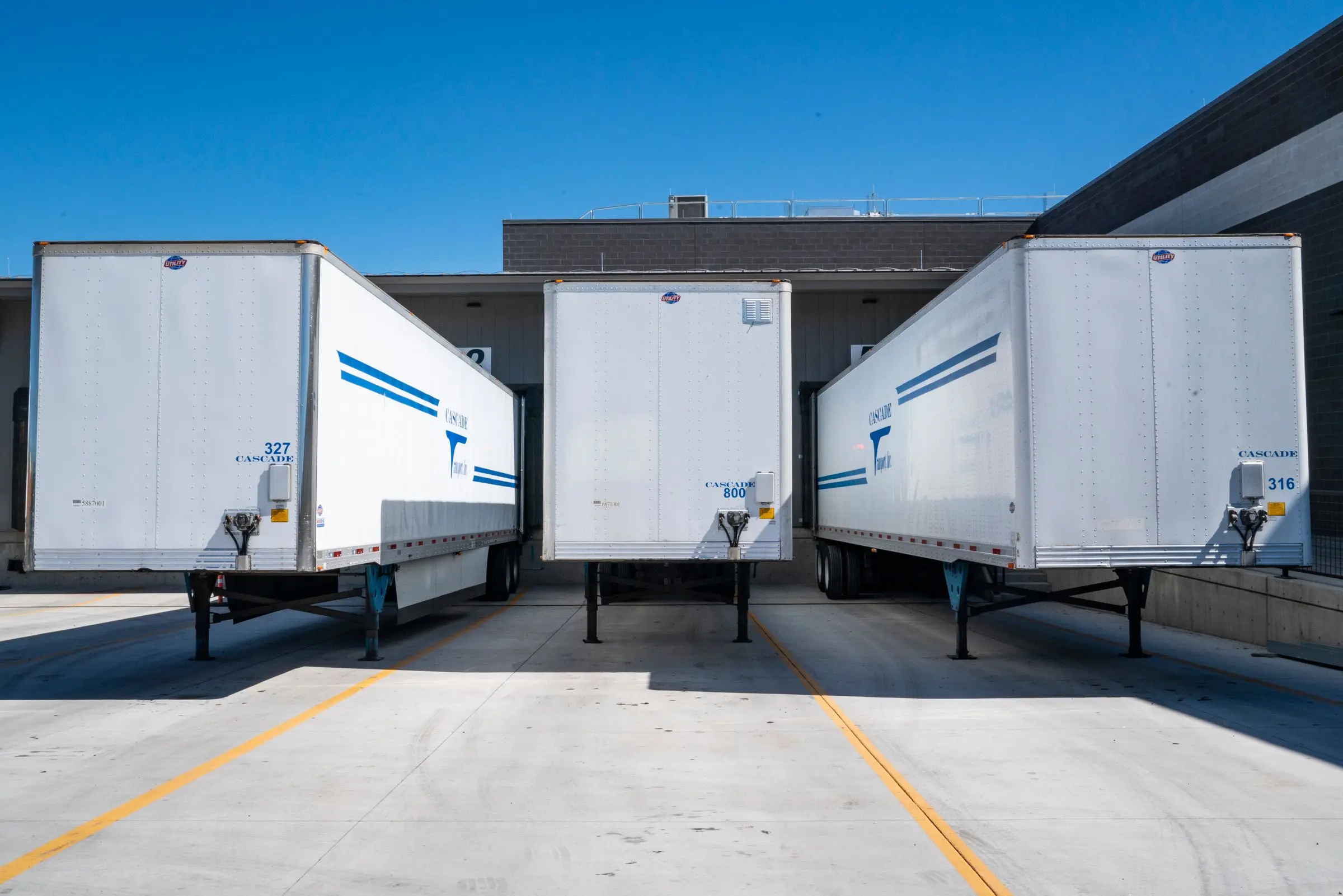
What does a freight audit agent check on each invoice?
Whether the carrier billed what was agreed for what was actually moved. For each invoice the agent pulls the rate confirmation or contract rate, the bill of lading and the signed delivery receipt, then checks linehaul, fuel surcharge, weight, piece count, origin, destination and delivery date. Matching invoices go to payment approval, and the rest land in an exceptions queue with the reason written out.
- Duplicate invoices, including the same load billed by both a carrier and its factoring company
- Detention billed without check-in and check-out times to support it
- Lumper fees with no receipt attached
- Reweigh or reclassification charges on less than truckload freight without an inspection certificate
- Truck ordered not used and layover charges with no record of the cancellation or delay
How are accessorial disputes handled?
The agent assembles the dispute packet so your team does not have to. It gathers the rate confirmation terms, timestamps from the delivery receipt or electronic logging data, the shipper's appointment record and any emails about the load, then drafts a dispute for a person to send. Carrier replies are read and matched back to the open dispute, so nothing ages out in an inbox.
Delivery receipt notations matter as well. A shortage or damage exception written at the dock is picked up and attached to the shipment before the claim window closes. This is one of several custom AI agents we build around paperwork that carries money.
What we build for freight teams
Document intake
Paperwork arriving by email, carrier portal, driver app photo or electronic data interchange (EDI) is classified and attached to the right load.
Rate and invoice audit
Every invoice compared with its rate confirmation, tariff or contract, with exceptions explained line by line.
Accessorial dispute desk
Evidence packets and draft disputes for detention, lumper, layover and reclassification charges.
Transportation management system sync
Audit results, document images and payment status written back to McLeod, MercuryGate, Oracle Transportation Management or an in-house platform.
More for this industry and service
- Custom agents: the full service
- Logistics and distribution: everything we build
- Operational dashboards for logistics and distribution companies
- Custom agents for insurance claims teams
- Custom agents for commercial landlords and asset managers
- Custom agents for law firms
- Custom agents for lenders
- Custom agents for bid and proposal teams
How an engagement works
Pull a month of paperwork
We take recent loads with their invoices, delivery receipts and rate confirmations to see where your audit team spends its effort.
Load your rates and rules
Contract rates, fuel tables, accessorial schedules and dispute thresholds come from your agreements and are checked by your freight audit lead.
Audit in parallel
The agent audits live invoices beside your team, and every disagreement between the two is reviewed until the rules are right.
Automate the clean invoices
Invoices that pass every check move to payment approval, exceptions stay with people, and we maintain the agent as carriers and contracts change.
Frequently asked questions
Can it read handwritten notes on a delivery receipt?
Often, yes. Character recognition handles clear handwriting, and anything uncertain is shown to a person with the image beside it. Driver photos taken at an angle are straightened before reading.
Does it audit electronic invoices as well as paper?
Yes. Electronic invoices such as the EDI 210 are audited the same way as scanned ones, and shipment status messages help confirm arrival and departure times.
Is this for shippers or freight brokers?
Both, with a different emphasis. Shippers usually care most about overbilling and allocating freight cost, while brokers need carrier invoices matched to customer invoices so the margin on each load is right.
Does the agent pay carriers?
No. It approves nothing on its own unless you set a rule for invoices that pass every check, and payments are released through your accounts payable process.
How does it fit with reporting?
Audit results feed directly into logistics dashboards showing cost per load, dispute outcomes and carrier performance. Our logistics and distribution page covers the wider operation.
Where is shipment data stored?
In the region agreed with you, with access limited by role. Rate agreements are commercially sensitive and are never used to train AI models. Which analysts can open each carrier's or customer's rates is agreed during discovery.
Related
- ServiceCustom agentsVantage Systems builds custom AI (artificial intelligence) agents that read tenders, claims, loan files and leases, check them against your rules and post results into your systems.
- IndustryLogistics and distributionAI agents that read bills of lading, carrier invoices and delivery proofs, plus live dashboards across warehouse and transport systems. See what to build first.
- Operational dashboardsFor logistics and distribution companiesLogistics dashboards that join warehouse and transport data to show on-time in full, dock-to-stock time, cost per shipment and carrier scorecards by customer.
- Custom agentsFor commercial landlords and asset managersAI lease abstraction that turns commercial leases and amendments into cited abstracts of rent steps, options and critical dates, synced to your property system.
- PricingHow we priceFixed scope and a fixed price for each phase, and what drives the cost of a build.
Built for operators with real scale. Most engagements are scoped in the tens of thousands of dollars and up.
Start a conversation.
Tell me what's slowing your operation down. I read every message myself and reply within one business day.